
How to Build a Viral Product

Viral Marketing

Having a great product is just part of the equation. Being able to market it successfully is an equal, if not more important part of the puzzle. As a new startup, you probably don’t have a very big marketing budget to begin with. Ideally, you would like your product to market it itself, by having people automatically recommend it to others. So how do you get people to talk about your product and make it go viral?

1. Have a great product.

Purple Cow

This goes without saying. No matter how much you spend on marketing, if your product isn’t very good, then people aren’t going to want to use it, leave alone recommend it to others. People only talk about remarkable products. Is your product remarkable? Is it that much better than anything else out there?

2. Don’t make users login to try out your product.

Many users (myself included) get turned off when they can’t even try a product, without first having to provide personal information. Let them try out your product first, and if they like it, then they will login. Otherwise, expect many users to close your product before they have even tried it.

3. Make it really easy for users to login.
Login with FacebookAssuming that users like your product enough to want to login to use it, make sure it’s really easy for them to do so. They should not see any of the following:

  • Unless your product involves any type of public forum where the user might not want to be identified with their real name, then don’t ask them to create a username, that they will then need to remember just to use your site or app. The days of username based accounts should be long gone.
  • Where possible, offer a one click Facebook login option. It’s easier for you, and easier for the user.
  • Don’t ask for any more information than is required. Don’t ask for birth dates, addresses, phone numbers etc. unless you have a good reason to need it.

4. Make it work well, even if you’re the only user.

The flip side of adding social networking tools to products these days is that some of them only work if your friends are also using it. Unless you have a proper launch strategy in place to fix this issue, you’ll end up with a chicken and egg problem. The product is useless without users. And users won’t be attracted to the product because it’s useless. So make sure the product has functionality in place even if you’re the only user – but make it work better if your friends are also using it.

5. Make it work better, when friends use it.

Social networking products like Facebook, Foursquare etc. are almost useless if none of your friends are using it. However when your friends come on board, then the product becomes a lot more useful. Facebooks’ developer tools make it easy to integrate Facebook login and friend lists into your product, so users can invite their friends. Create features that genuinely add functionality to your app when users’ friends are using it (as opposed to spamming your friends with no benefit to you).

6. Make it really easy for users to share / invite others.

Assuming you have a great product that users enjoyed using, and you have convinced them to share it with others, then make it easy for them to do so. There should be a one click share or invite button for them to use. Make it any more complicated than that, and you risk them losing the motivation to do so.

Facebook Share

 7. Bribe users to invite their friends

If your product doesn’t really have any social features built in, you can try bribing your users to invite their friends. Dropbox made a big success of this through their referral program. Offer users credits towards paid features for friends that they invite and start using the system.

There are many users out there who are used to not paying for things. By offering such a program, you can gain benefit from this crowd as well.

8. Sign your Product

Another way to make your product is to let users share it without realizing it. YouTube does this by letting you embed videos onto your site, with a prominent YouTube logo in the corner. Even Apple does this by inserting “Sent on my iPhone” text into emails you send. Can you piggy back on usage of your product by adding a signature somewhere?

Image Credit

Increase your Market by Increasing your Formats

CLO formats

When I started my first site, there were two ways for people to find it – by landing on the main site itself or by finding it on its iTunes podcast page. The main medium for the content was MP3 audio lessons that could be downloaded and listened to on your iPod.

Later, users asked if I could provide them with a PDF transcript of the lessons. That became the start of the subscription model – free audio and pay for PDF transcripts.

A couple of years later, the iPhone was released and subsequently, apps started appearing for it. People asked for a CLO app, so we created one for it.

Later, it became clear that YouTube was a big source of users, so we created a CLO YouTube page with some intro videos there. Since some users like to learn using video, I have recently started offering a CLO video course on Udemy.

In this day and age, it’s become clear that in order to expand our market, instead of driving users to our main site, we have to push our content to other platforms. So we have started to become more active on Facebook and Twitter.

CLO formats

Obviously there are other formats we could expand to. We have an empty Google+ page and still don’t have an Android or an iPad app, even though both have been requested.

Assuming that you have an existing winning product, your users will expect you to be where they are and provide them the formats they expect. Fortunately, there are a lot of tools available to help with this process and let you manage multiple social networks at once. It still up to you to take the initiative and put your brand out there. If not, then your competition will gladly fill the void.

How to Build and Maintain Loyalty with your Customers

Loyal Customers

While my last post talked about what steps you should take when creating a new product, this post is meant for those with existing products. From the different projects I’ve worked on, Chinese Learn Online is the site I’ve had and maintained for the longest time.  There are several customers there who have stuck through from the very beginning and continue to remain on the site. What is the reason for that, and how can I ensure that my future projects also attract similarly loyal customers?


1. Ask for Feedback

Make sure you keep in touch with your customers, especially your top ones. Find out what it is that they like about your service. What is it that they feel can be improved? Some of my most loyal customers have been ones who initially approached me with a complaint or concern about the site. They liked that I took their feedback seriously and used it to improve the site. This caused them to give me further suggestions to improve the site – suggestions that I wouldn’t have heard about otherwise – which resulted in further improvements to the site. Who wouldn’t support an organization that constantly listened to you and made the exact suggestions you gave them?

2. Update and Innovate

We live in a world that is constantly changing. Technology is constantly changing, and people’s expectations of the products they use change with them. Look at sites like Facebook, Google and Amazon and compare them with what they looked like a few years ago. Does your site have a mobile app to go with it? Do you have a Facebook page to communicate with your customers? These are all expectations that users have today, and if you don’t provide them, they may end up leaving for someone who does.

3. Respect them

If you have customers who have been with you for a while, make sure they know how much you value them. After all, it’s much more cost effective to keep an existing customer than to constantly have to acquire new ones. Some of the approaches I’ve used here including grandfathering them in on cheaper plans that are not available for new customers, and letting them earn download credits for being long term users. Make it difficult for them to leave because of all the data or services they would lose by leaving.

Compare that to many mobile phone companies who reward new customers with new phones and plans that are not available to older customers who have been with them for extended periods. Does this inspire you to be loyal to them?

Photo Credit

4 Steps to Create a Winning Product

Lean Startup Model

Many articles have been written about why so many startups failed. Inevitably it comes down to any of the following reasons:

  • Not having the right product
  • Not being able to market the product successfully
  • Running out of money

So as a startup, what can you do to overcome these issues or at least set yourself up for the maximum potential success?

1. Focus on the MVP

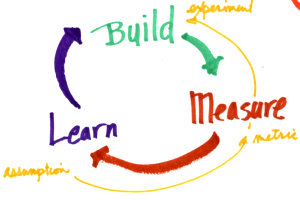
Don’t worry about how you will market the product, how much you will charge for it or any of those details at this point. Just focus on the minimal viable product (MVP) that people would enjoy using (and potentially pay for). The idea should be to get this into the hands of users as quickly as possible. Leave the fancy and frill features for later on, once you have validated your product. This way you will know if you’re on the right track, without having wasted time and money by going in the wrong direction.

2. Find Early Users

Find people around you who match the audience you are planning to target. If members of your friends and family match this description, get them involved testing early versions of your product and (more importantly) get feedback from them. Is this a product they would use? Ideally, try to find people who have the very problem that your product is trying to fix.

There are other sites you can use to get beta testers to give you feedback, so use those if required.

After the initial testing, if they continue to use the product, that is a good sign that you may be on to something. If they stop using the product even after your constant prodding then assume that either they don’t match your target demographic or that your product still needs some polishing before it is ready for mass release.

3. Keep Iterating

If you find that users are not returning to your product, find out why.  Many times people who are close to you may lie to you for your own benefit, in order to give you support and not discourage you. So ask questions like:

  • What would you change about this product?
  • Are there any features you would like to see added?

Use the feedback given to improve the product and release new versions that incorporate that feedback. If the users helping out really have the problem that you’re trying to solve, then it’s in their interest for your product to succeed so that their problem can be solved. They should be more than happy to test new versions and give you genuine feedback on whether the product has improved or not. I have used this approach for many of my products.

4. Market when Ready

One mistake I’ve seen a lot of startups make is to start marketing a half baked product. The few users they do have rarely use their product, so they assume that their problem is not having enough users. In fact, the problem is that their product isn’t good enough!

On the other hand, if you do have a product that users are happy with, then now is the time to start marketing it. One way to know if you’re at this stage is if you can get testimonials or positive reviews from users with ease. After all, if they are happy with the product, then chances are good that there will be others out there who would also benefit from this product.

By using this approach, you can ensure that you’re spending money where needed. It’s very easy for startups to run out of money by spending money developing unnecessary features early on, or by trying to market half baked products. Instead if that money was spent on building the core product with a loyal base, before beginning to market it, then their chances of success would be much higher!